
Thank you to everyone who attended our final community workshop in Kilmallock Library on Tuesday. It was a great evening where we got to chat with everyone and see some of the wonderful revolutionary items that have been carefully looked after and passed down through the generations.
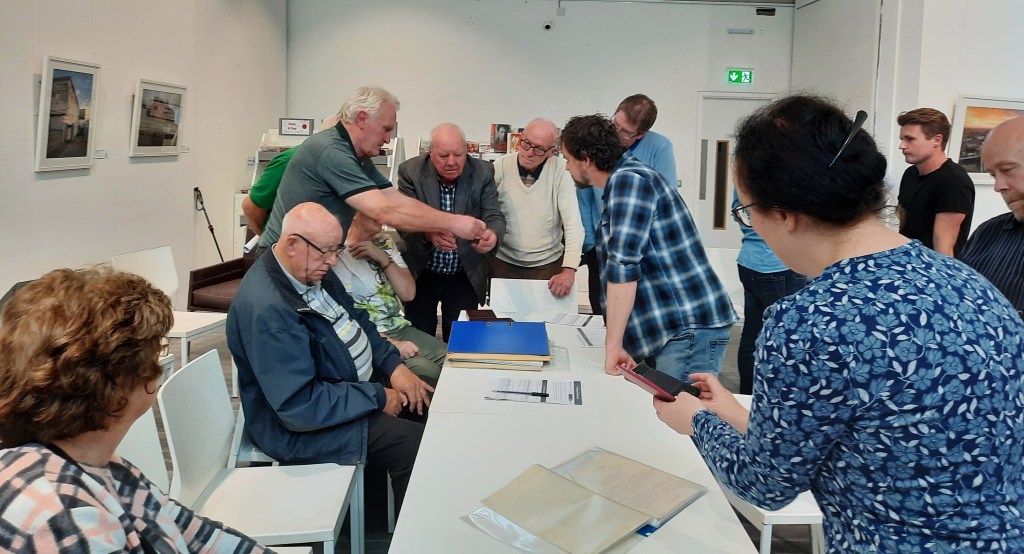
On the night, we were joined by the children and grandchildren of Volunteers who had fought in the East Limerick and Mid Limerick Brigades. Many of these Volunteers had been involved in the Ballylanders RIC Barracks attack, which took place on the 27th of April, 1920.
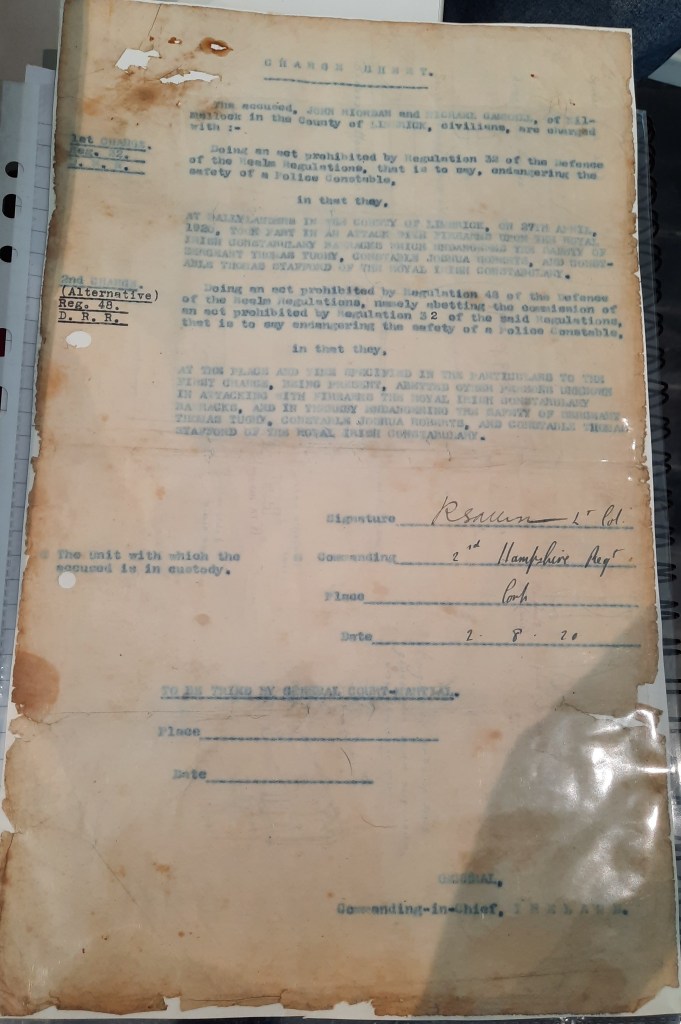
Before the attack, IRA Volunteers removed families living near the RIC barracks to safety and used some of their homes as cover and safe places to snipe from. The IRA then made a hole in the roof of the barracks and poured petrol and paraffin in before dropping a grenade. The flames forced the garrison to surrender on the terms that their lives would be spared. Some of those who surrendered identified men involved in the attack, and soon after, Sean T O’Riordan (Ballylanders Battalion OC) and Volunteer Michael Gammell, both from Kilmallock, were arrested in their homes.
We were shown the original charge sheets and confirmation of the sentence in relation to Sean T O’Riordan and Michael Gammell, who were both court-martialled by a British Army court. While such documents survive in British archives for use by researchers, the survival of original copies handed to defendants such as Sean T O’Riordan is rare. Their condition and care are a testament to the appreciation of families for their personal and historical importance.
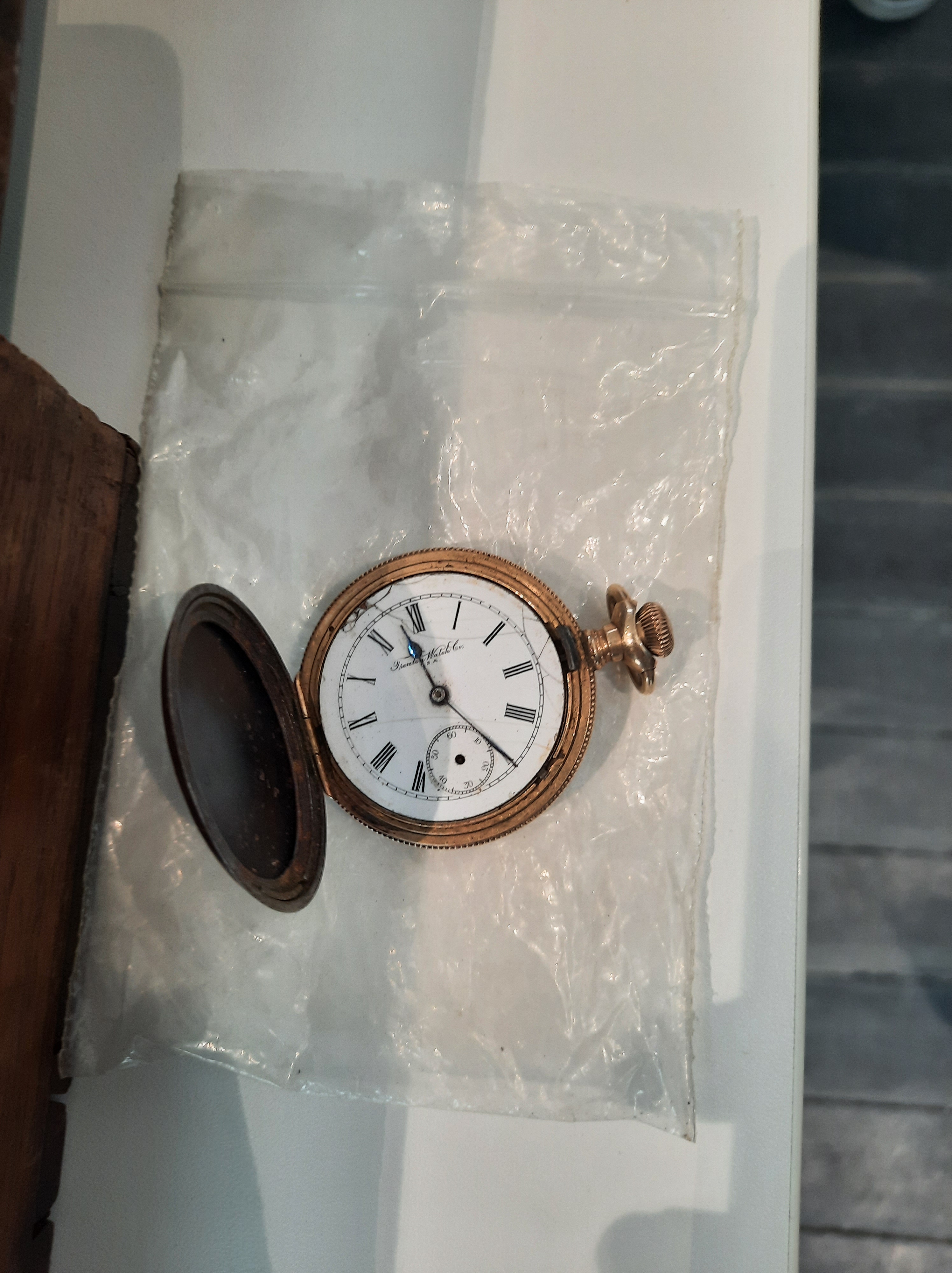
We were also shown an amazing collection of objects and letters that once belonged to Sean T O’Riordan, including gunpowder measures, a gun, a medal, watches, documents and an advertisement for a Republican dance.
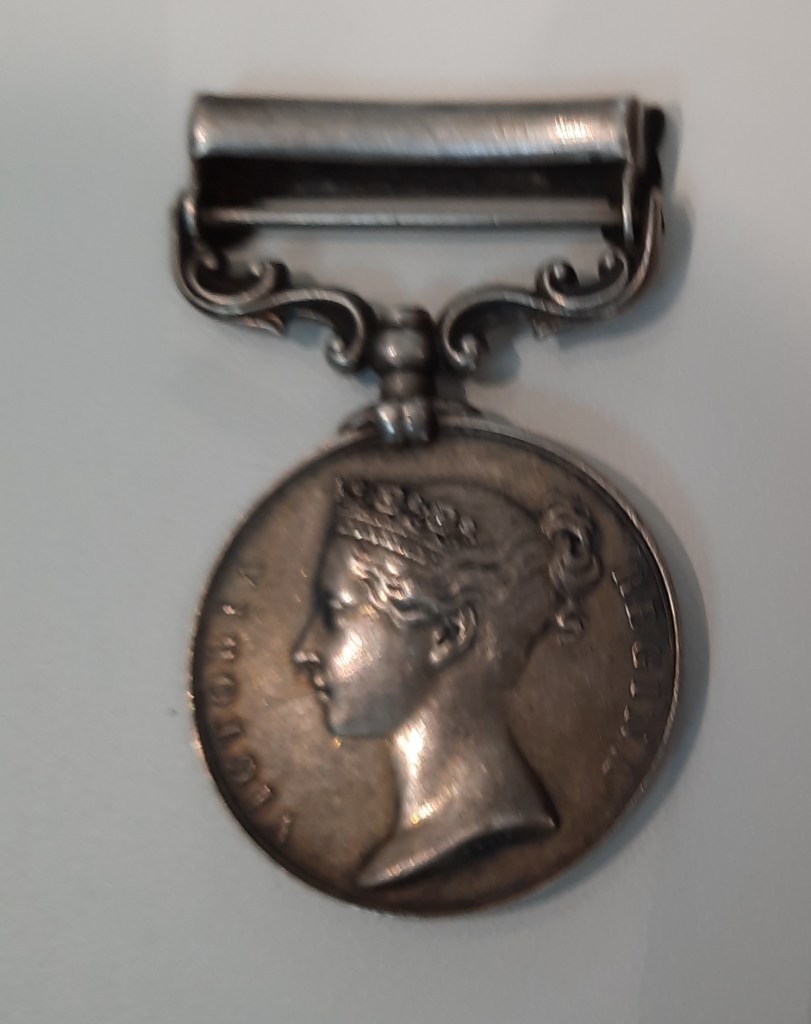
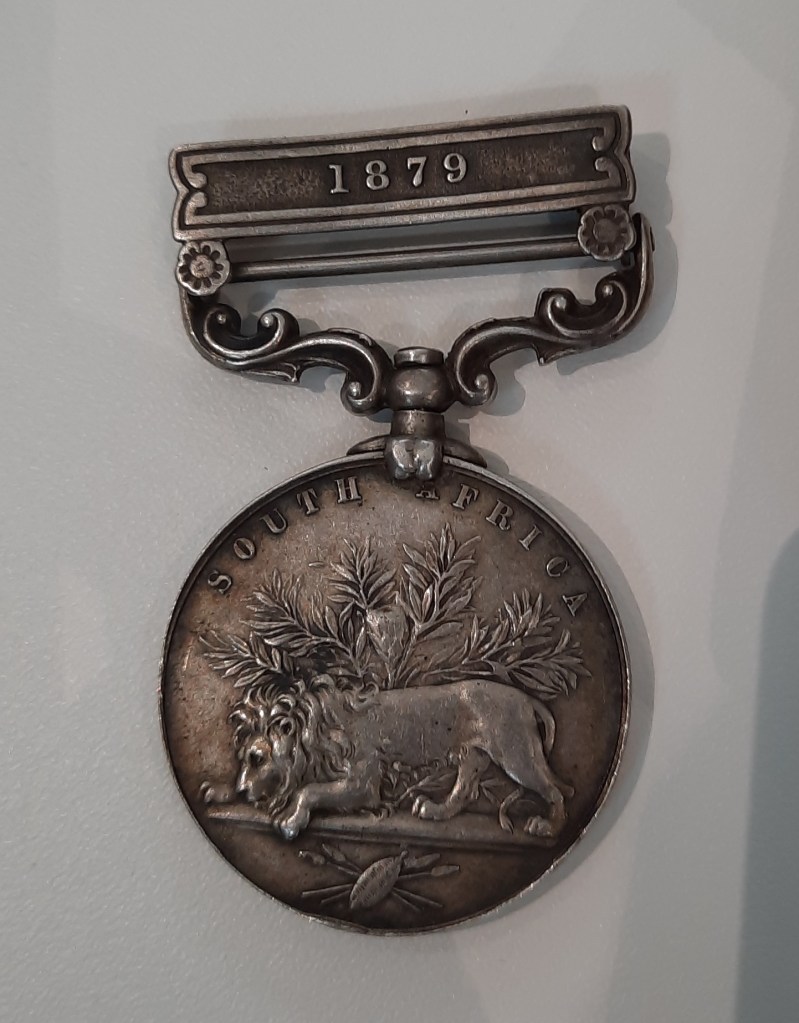
The medal dates from 1879 and depicts Queen Victoria on one side and a crouching lion in front of a protea bush (the national flower of South Africa) on the other. The medal was mainly associated with the Anglo-Zulu War of 1879. How Sean T O’Riordan came to possess such a medal is unknown; perhaps it was taken from some of the British forces he encountered.
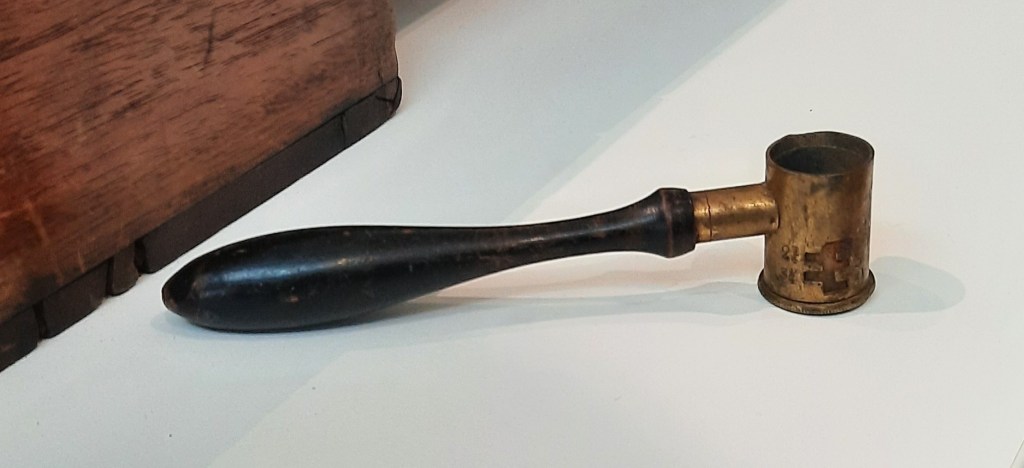
There were also gunpowder measures which were adjustable brass containers that allowed the user to measure the exact quantity of powder and shot for bullets. Below are some of the other objects such as posters, watches and letters once owned by Sean T O’Riordan.

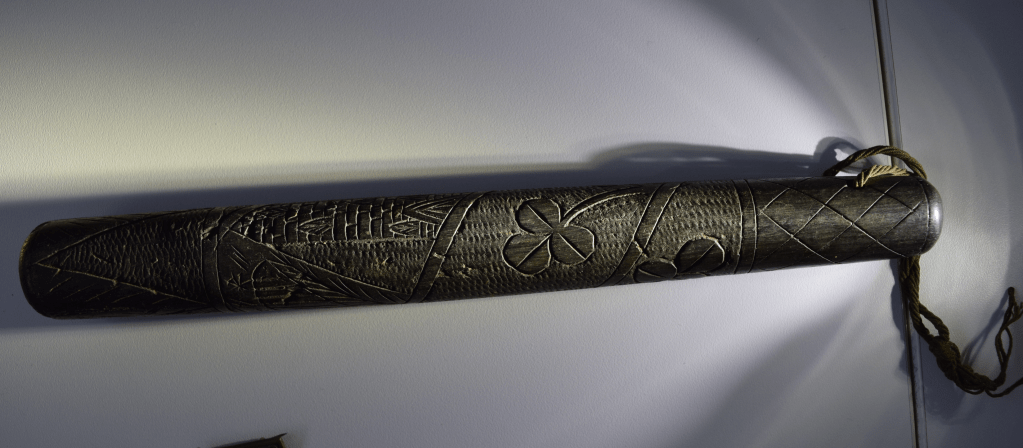
When O’Riordan and Gammell were arrested for the attack on Ballylanders, they were imprisoned in England. According to a newspaper obituary, they had been on hunger strike there. Michael Gammell’s grandson remembers hearing they were imprisoned on the Isle of Wight, and while there, Michael created this beautifully decorated baton incised with images of shamrocks and round towers.

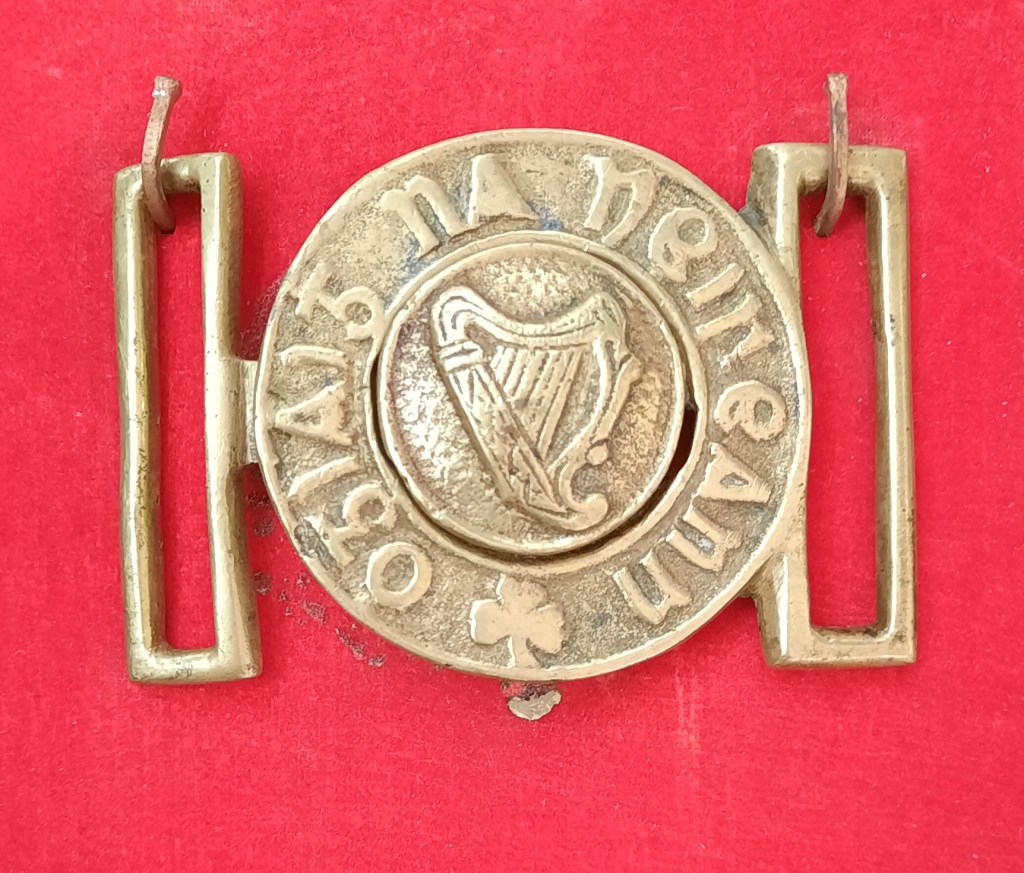
At the worshop we were also kindly shown Service Medals for a husband and wife. The smaller medal on the left belonged to Bridget Jones, who was a member of Cumann na mBan, and the larger medal on the right belonged to her husband, Volunteer Owen Hickey. It’s so unusual to see a husband and wife’s medals side by side; it was a real treat. We were also shown the belt buckle of a….

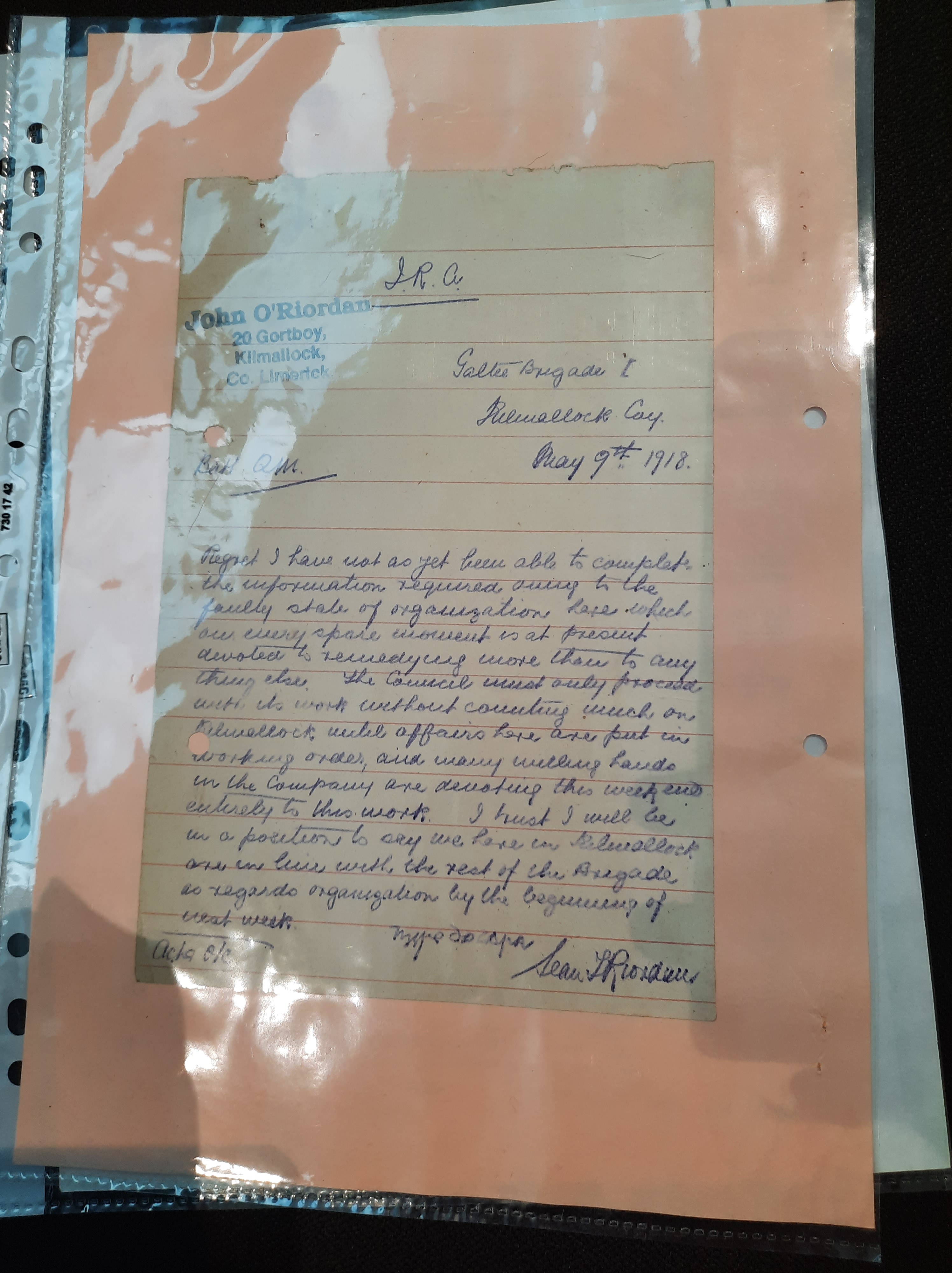
During the evening, we were shown more documents, including original letters and correspondence from 1918 relating to local organisational matters of the Galtee Battalion of the Irish Volunteers, to which many parts of southeast Limerick were affiliated for an extended period. Some later documents included correspondence from Sinn Fein headquarters and follow-up local material pertaining to the extraordinary Ard-Fheis organised by Sinn Fein in the aftermath of the January 1922 Dail vote in favour of the Anglo-Irish Treaty.
***
Special thanks to everyone who came along and shared their stories and objects in Kilmallock Library last week. It was a pleasure discussing the revolutionary history of your area with you.
***
Thank you again to everyone who contributed to the six revolutionary workshops held in East Limerick this year. Without your stories, memories and objects carefully preserved over the decades, the project would not have such fantastic information to share.
Though the workshops have ended, the project is continuing, and we hope to have pop-up exhibitions soon, keep an eye on our social media for more information about upcoming events.
***
The Archaeology of the Irish Revolution in East Limerick project is funded by the Irish Research Council COALESCE fund, which funds excellent research addressing national and European-global challenges across a number of strands. This project is part of the INSTAR+ awards, funded by the National Monuments Service of the Department of Housing, Local Government, and Heritage in partnership with the Heritage Council. It is being undertaken by University College Dublin School of Archaeology in partnership with Abarta Heritage. Other partners on the project include Dr Damian Shiels, the National Museum of Ireland, Limerick Museum, Heritage Maps, and local historians of the War of Independence and Civil War eras.
 Landscapes of Revolution